
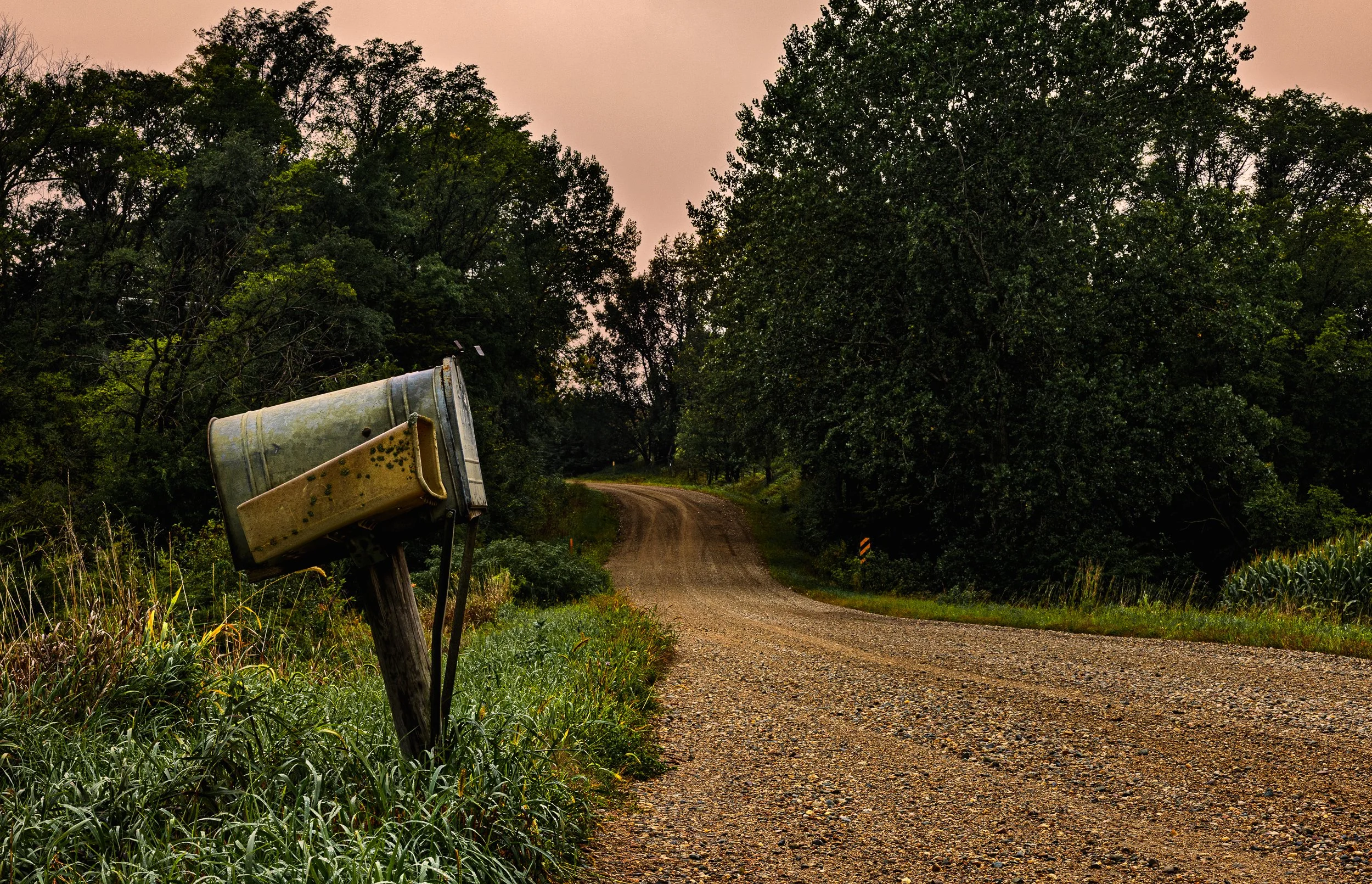
RR1 - Inwood, IA
Gravel roads and mailboxes became anchors for this project. Together, they form a visual language of transition—humble yet profound. In rural life, each represents connection and a lifeline to the world beyond. Photographed now, often in isolation, the mailbox becomes a marker of absence; the gravel road, a path that once carried people inward, now quietly leads them away.
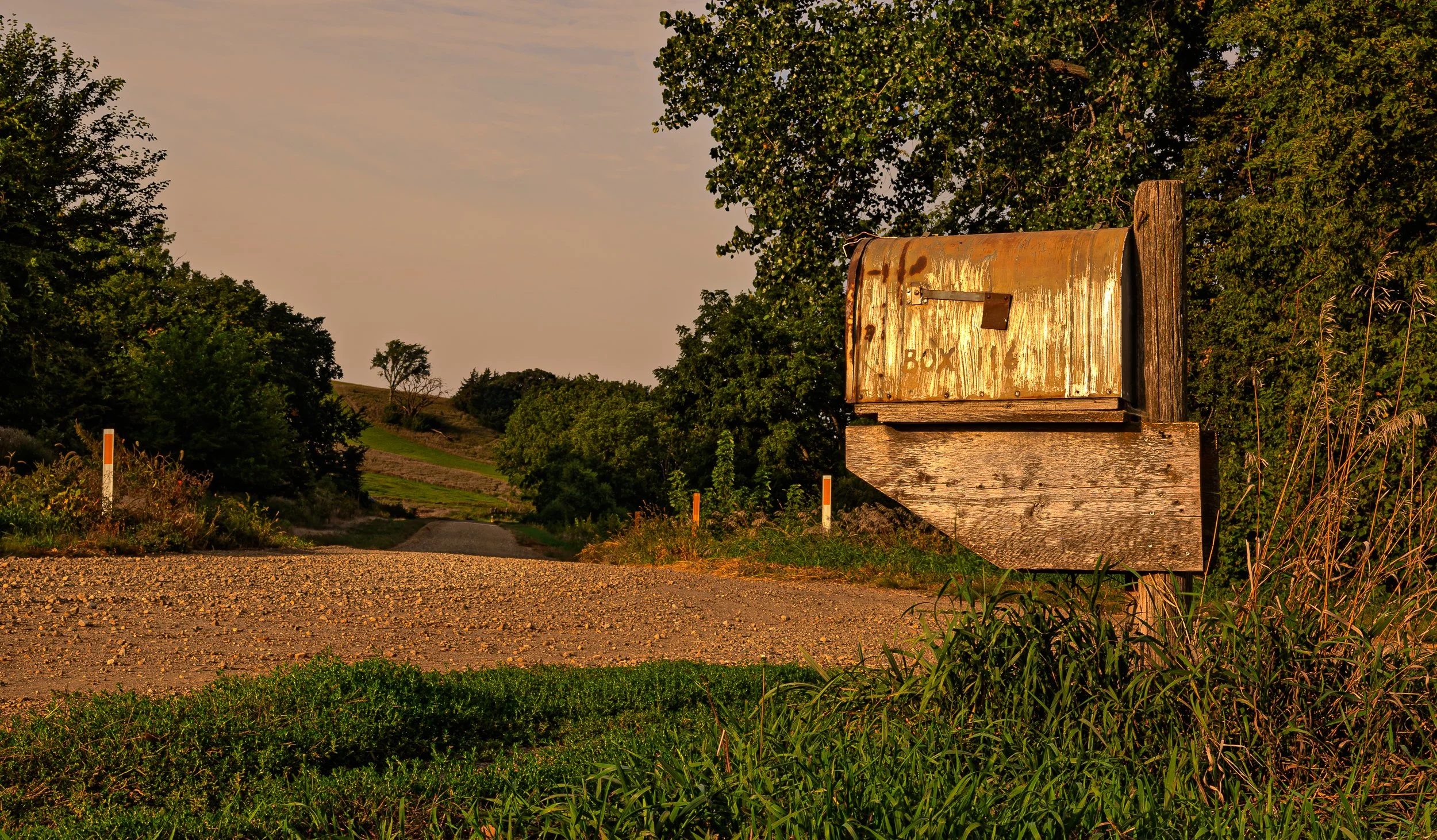
RR1, Box 116 - Inwood, IA
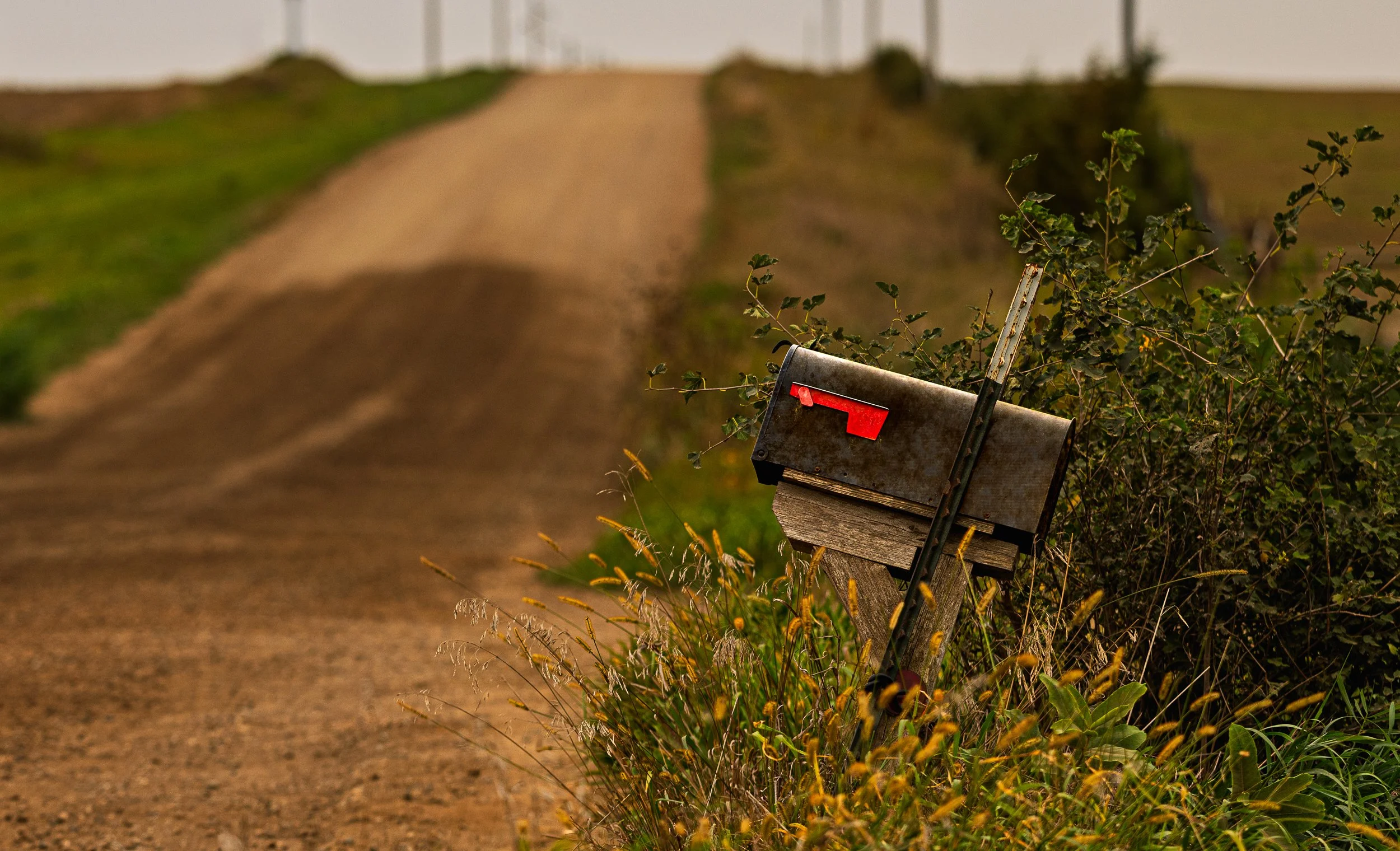
RR1, Box 30 - Humboldt, SD
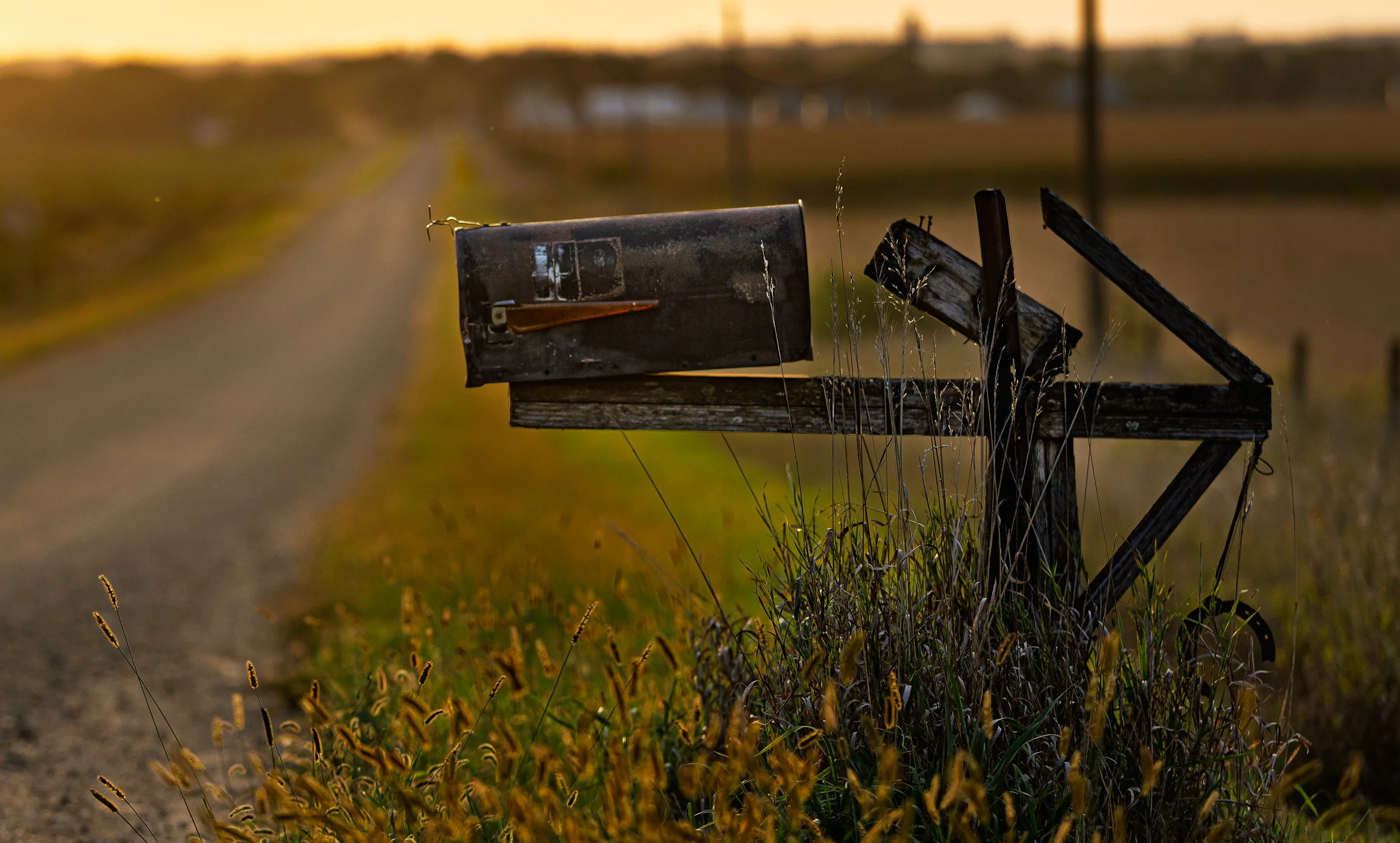
RR3, Box 119 - Beloit, IA
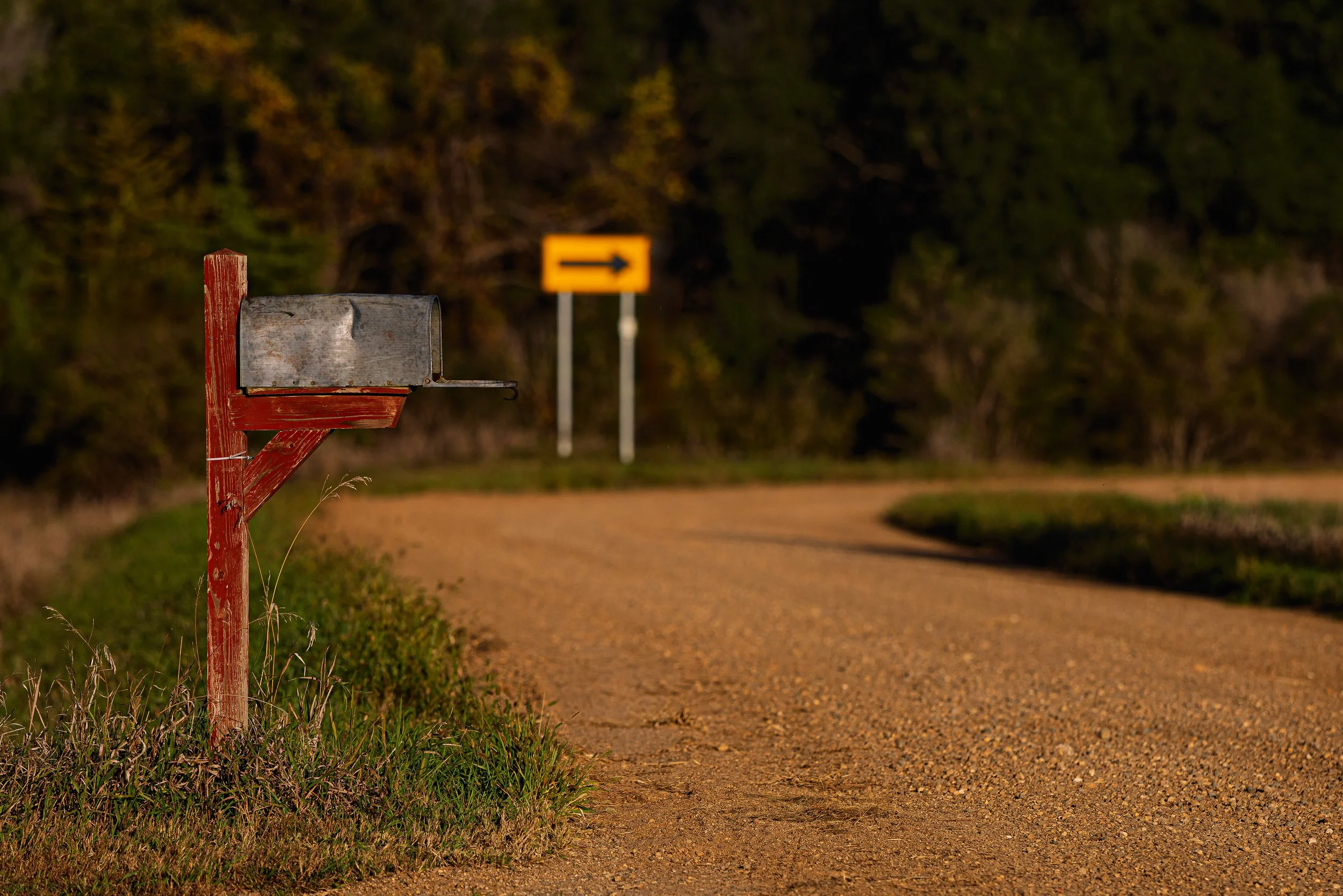
RR3, Box 29B - Canton, SD
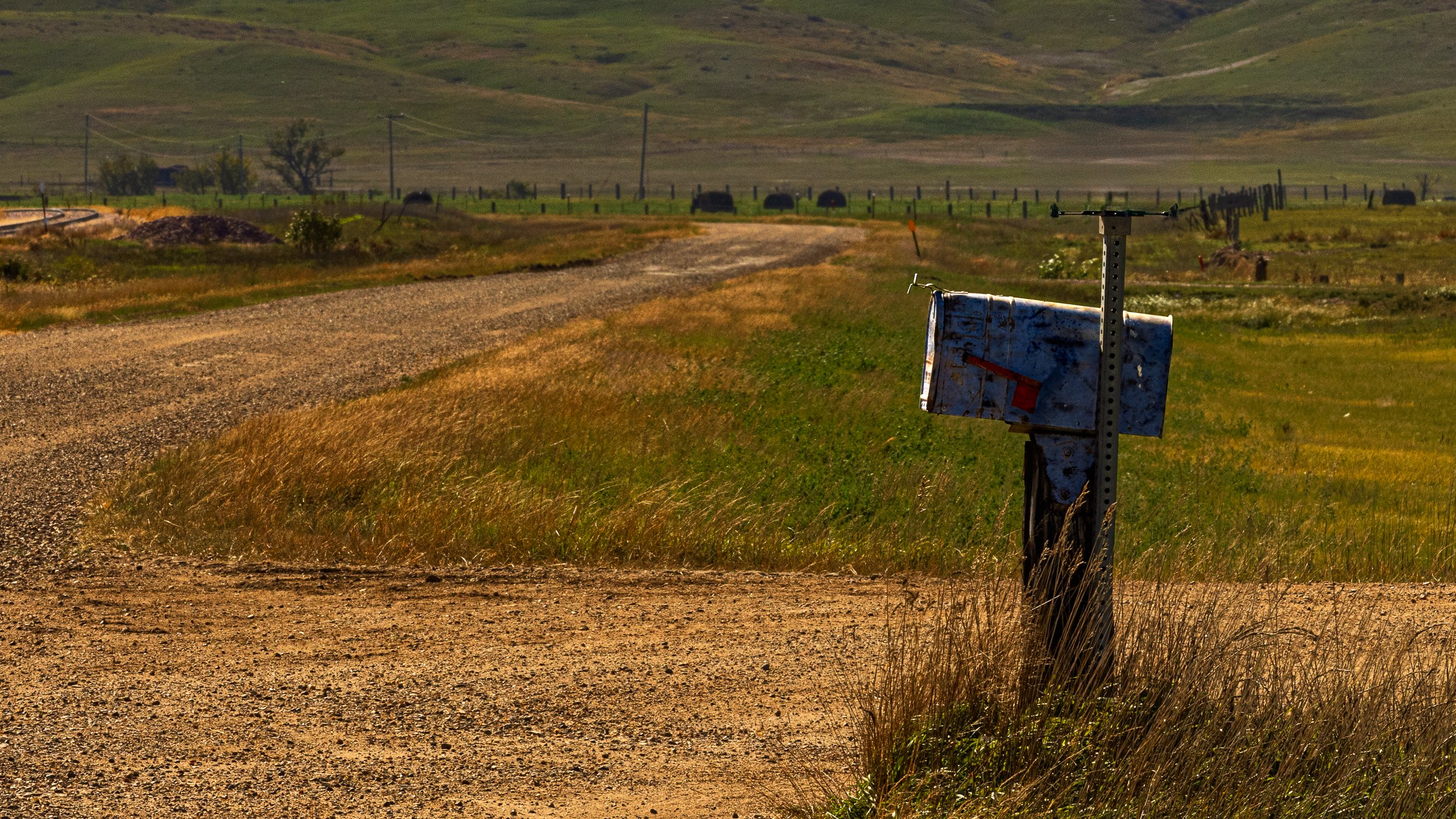
HCR32, Box 132 - Ft. Pierre, SD
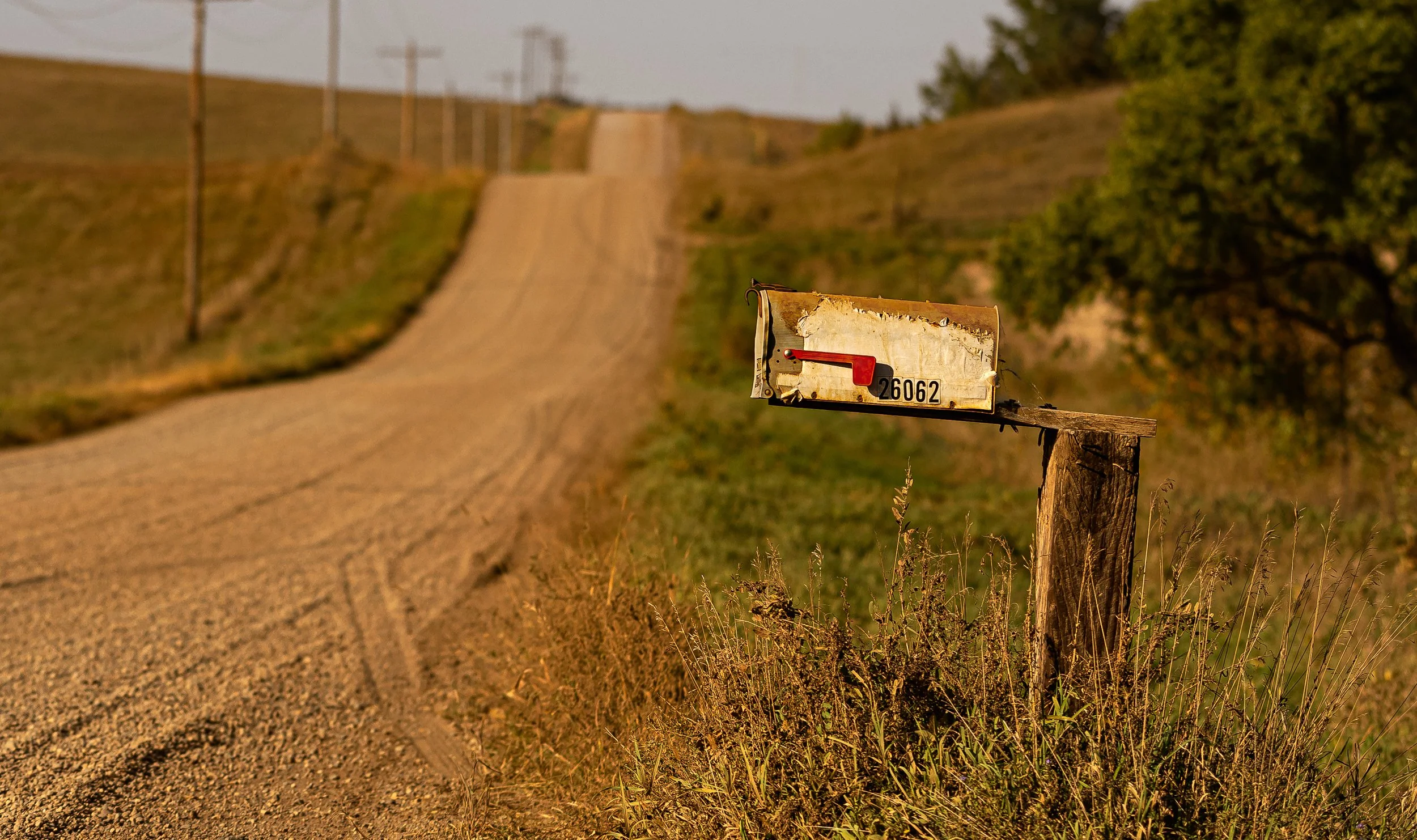
RR1, Box 88A - Humboldt, SD
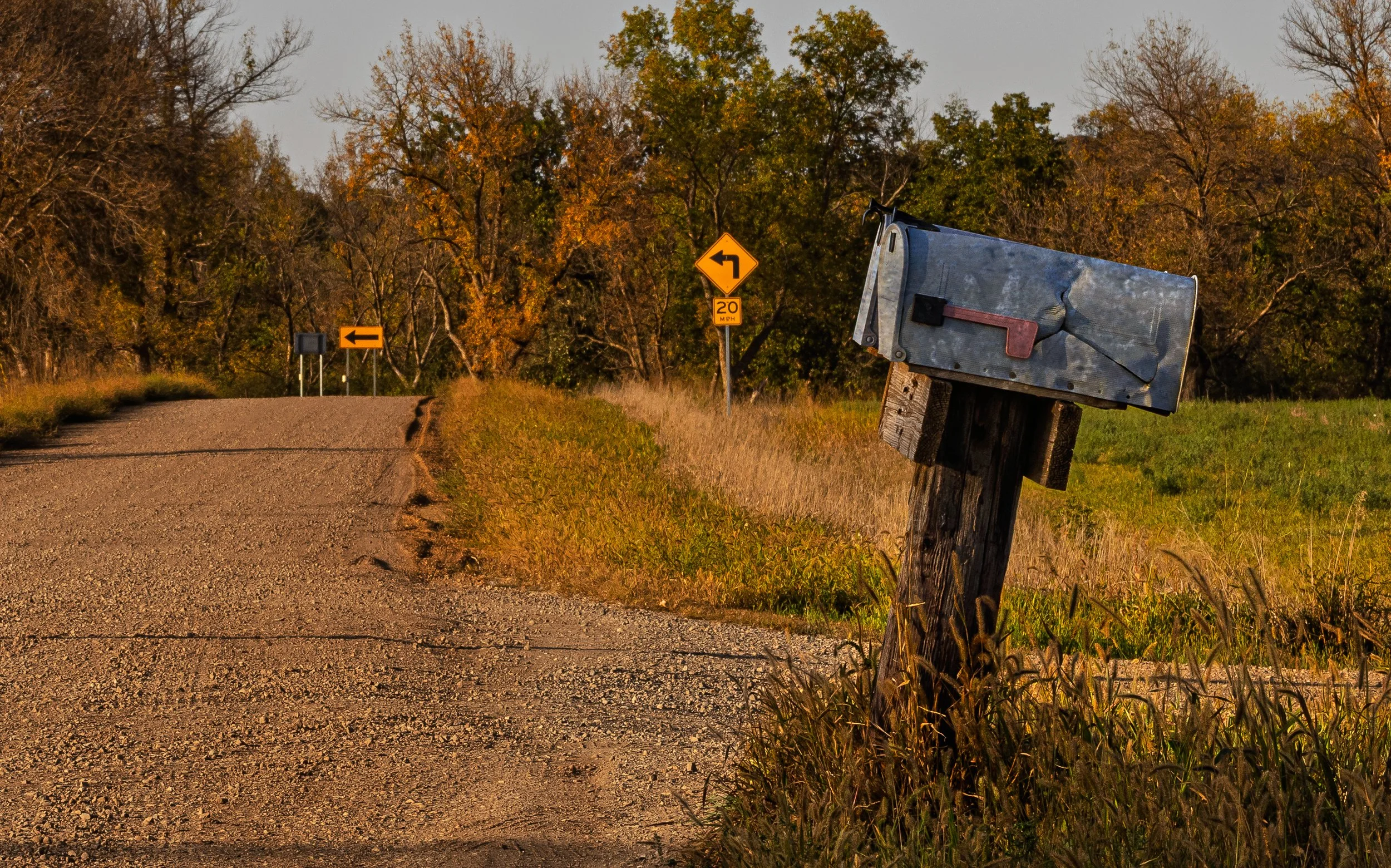
RR3, Box 46 - Canton, SD
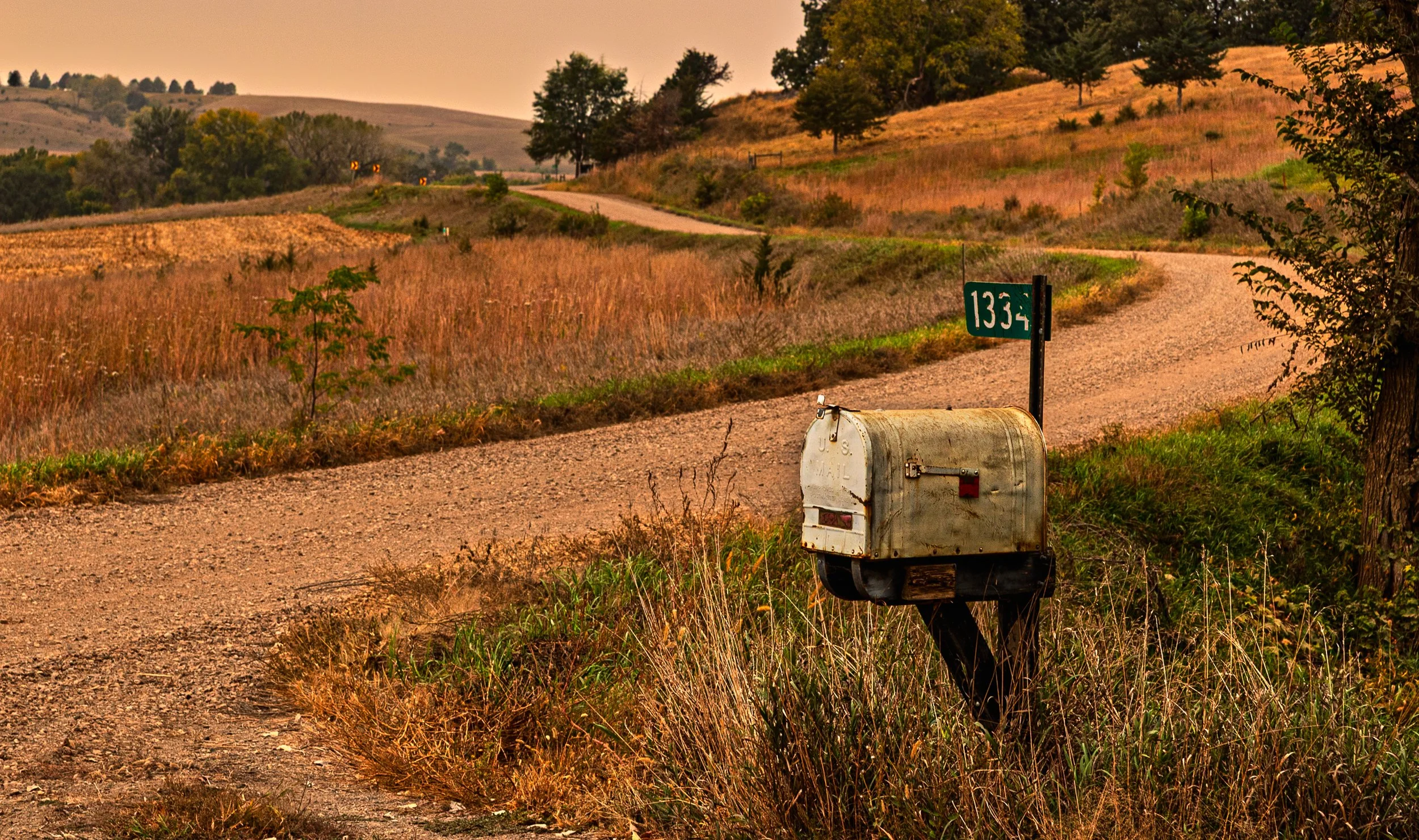
RR1, Box 71 - Inwood, IA
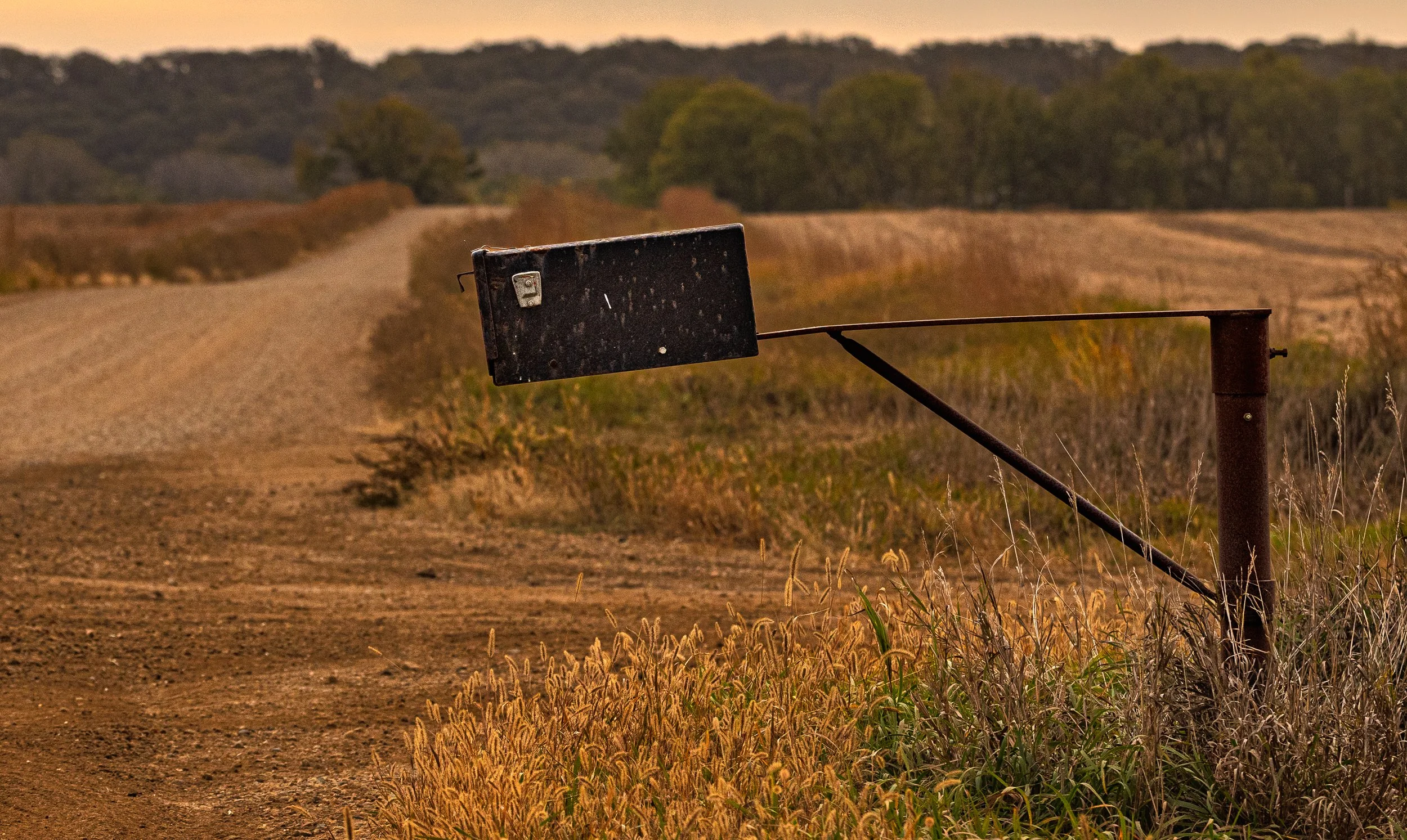
RR3, Box 26 - Canton, SD
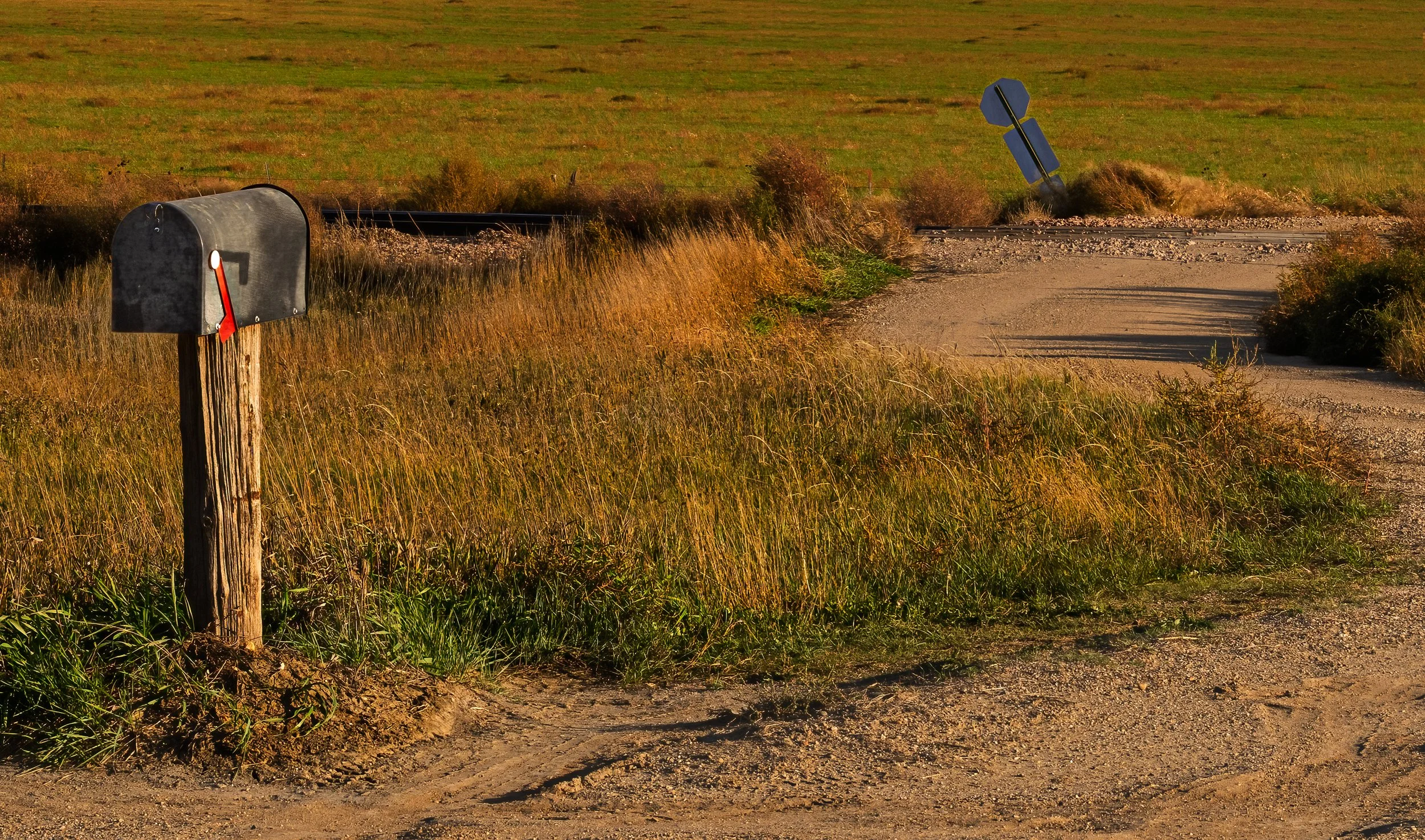
HCR61, Box 3 - Capa, SD
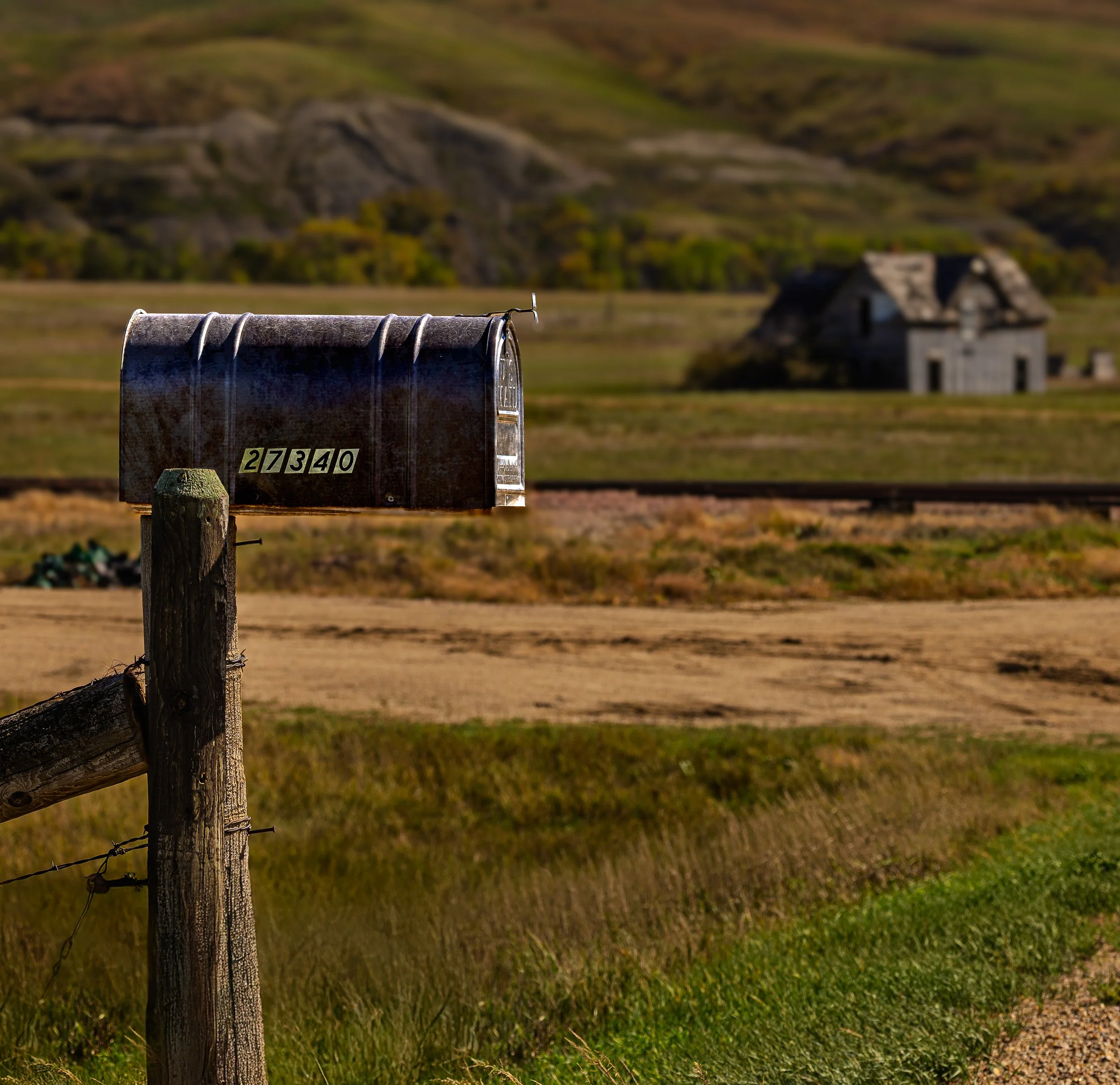
HCR32, Box 563 - Wendt, SD
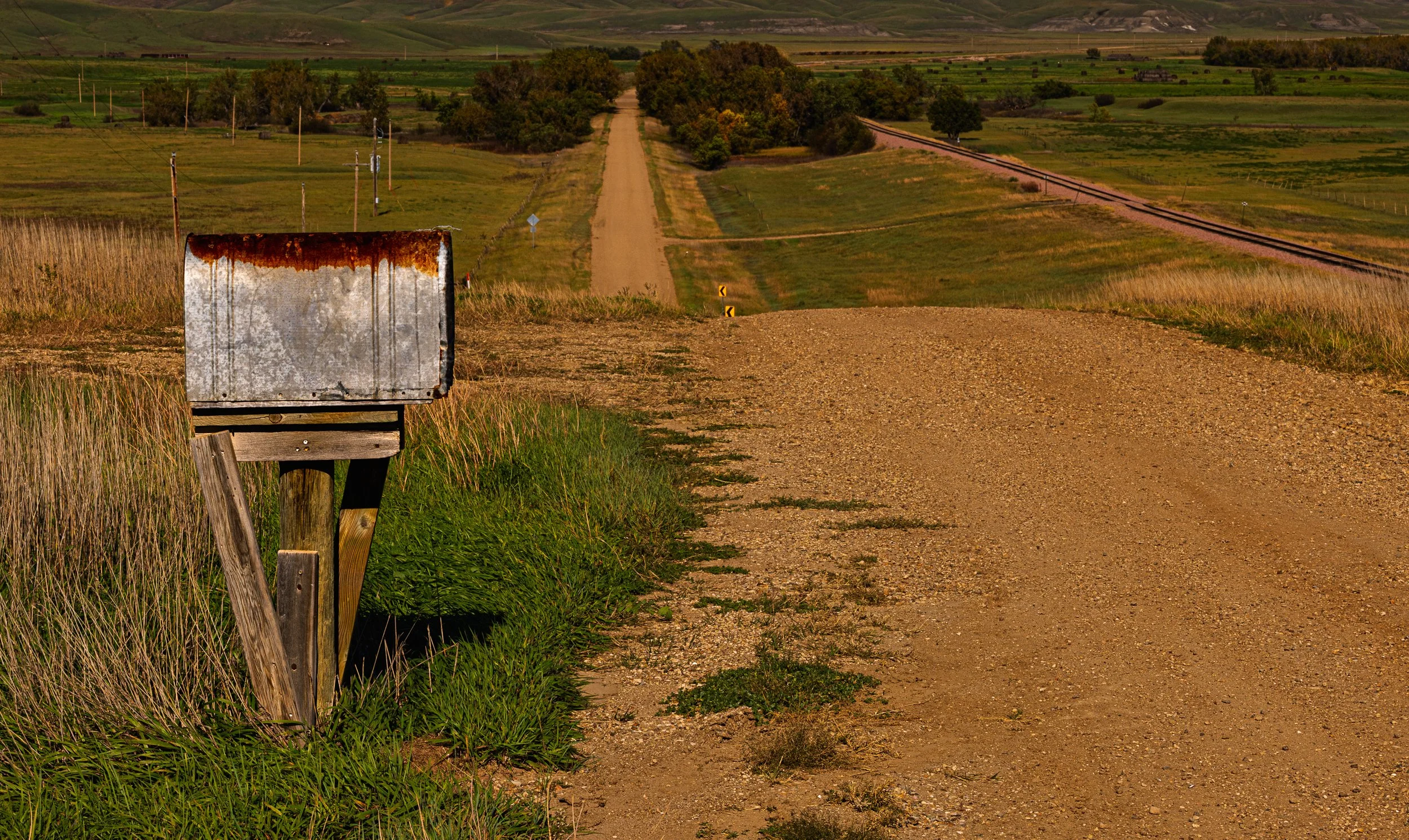
HCR32, Box 138 - Ft. Pierre, SD
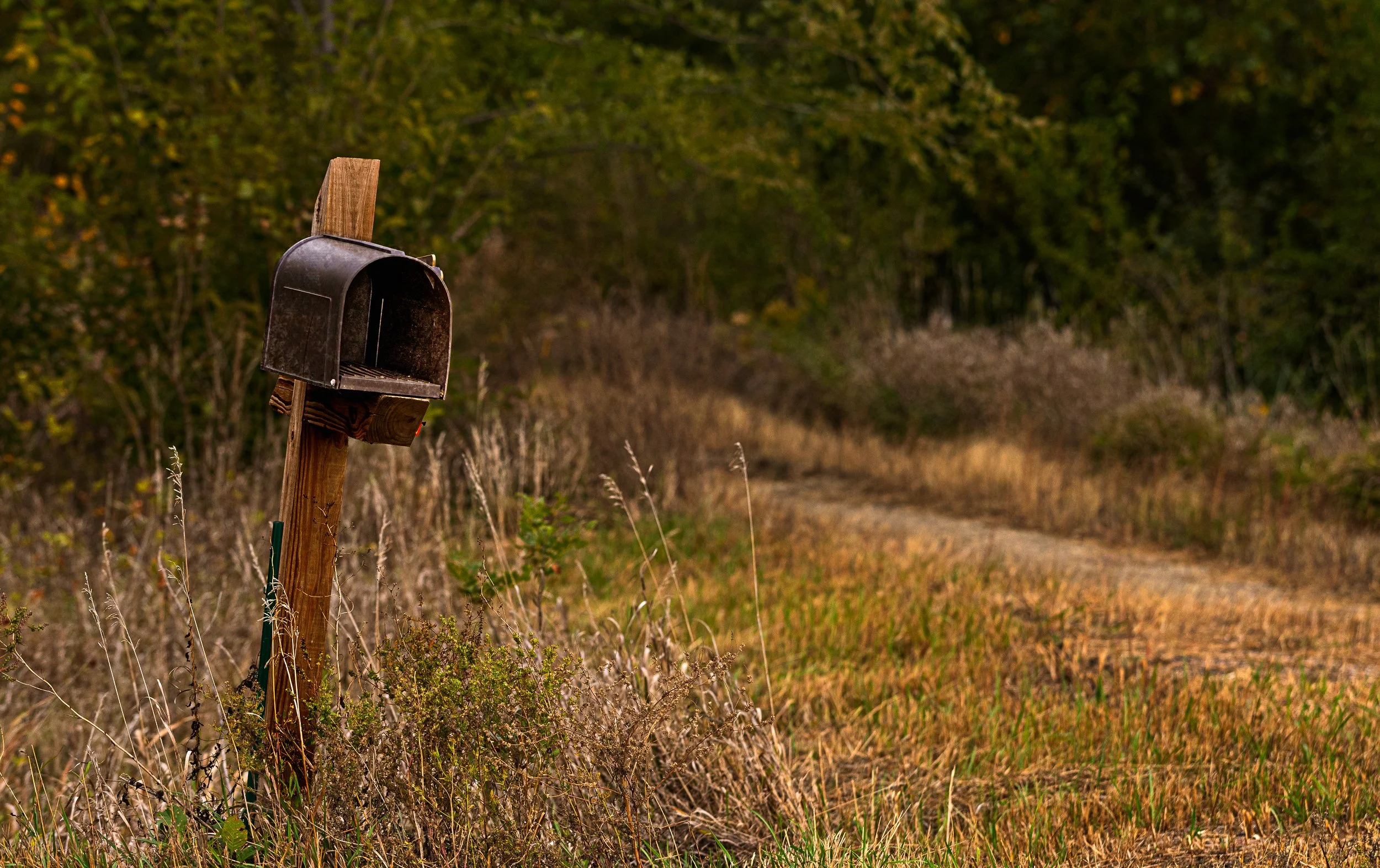
RR1, Box 154 - Harrisburg, SD
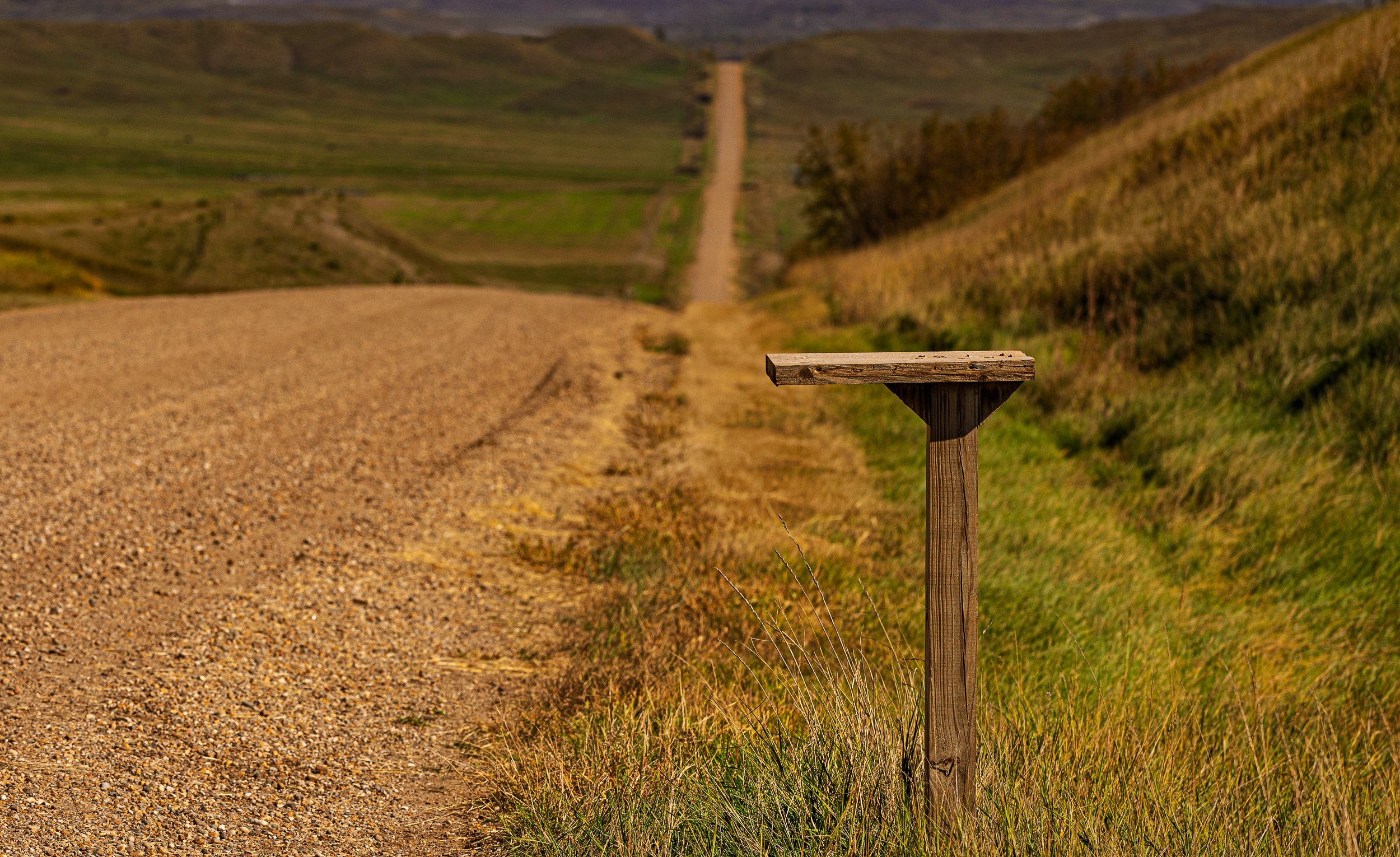
HCR32, Box 814 - Ft. Pierre, SD
Leading Away: The Rural Exodus of the American Plains
Across the American Plains, gravel roads impose order on an open landscape—paths laid generations ago as early European settlers carved lives from the expanding frontier. The mailboxes erected beside them once marked presence: families, neighbors, and a dependable rhythm of connection. Today, many signal something else entirely—the lingering aftermath of a rural exodus that continues to reshape the Midwest and Great Plains, alongside a fundamental shift in how we communicate.
Once a majority in the early twentieth century, rural Americans now represent a dwindling minority of the population. Over recent decades, millions have left small towns and farming communities for urban centers, redrawing not only the nation’s demographic map, but its emotional one as well.
LEADING AWAY explores the tension between what once was and what remains. We were both raised in small rural towns, and like many in our generation, eventually left to pursue education and opportunity elsewhere. That departure created a lasting duality in how we see these landscapes: a deep affection for their rhythms and traditions, intertwined with a sense of loss for what is slowly fading.
Gravel roads and mailboxes became anchors for this project. Together, they form a visual language of transition—humble yet profound. In rural life, each represents connection and a lifeline to the world beyond. Photographed now, often in isolation, the mailbox becomes a marker of absence; the gravel road, a path that once carried people inward, now quietly leads them away.
To honor this narrative, we approached the work with a cinematic visual language—deliberate compositions, restrained color, and a mood shaped by the quiet melancholy of memory. This series is not solely about loss, but about continuity and persistence: the traces that endure even as populations shift and landscapes slowly empty.
By focusing on these ordinary structures, viewers are invited to consider the beauty and emotional complexity of rural spaces often overlooked or dismissed. These images speak to lives shaped here, histories rooted in these fields, and the subtle ways places continue to communicate—even as fewer voices remain.